


In modern web hosting, server stability and security are everything. A single high resource user can slow down an entire shared server. That’s where CloudLinux OS makes a real difference.
CloudLinux is a specialized operating system built specifically for web hosting environments. It works seamlessly with cPanel and is designed to improve server stability, enhance security, and control resource usage in shared and dedicated hosting environments.
Let’s explore why CloudLinux is a smarter choice compared to traditional systems like CentOS.
What Is CloudLinux OS?
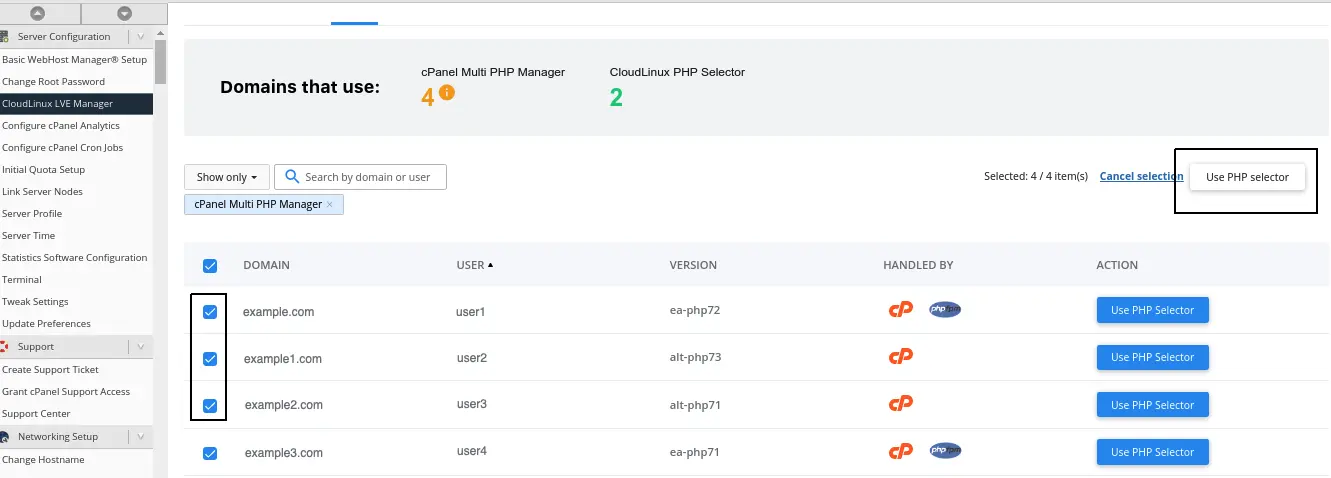

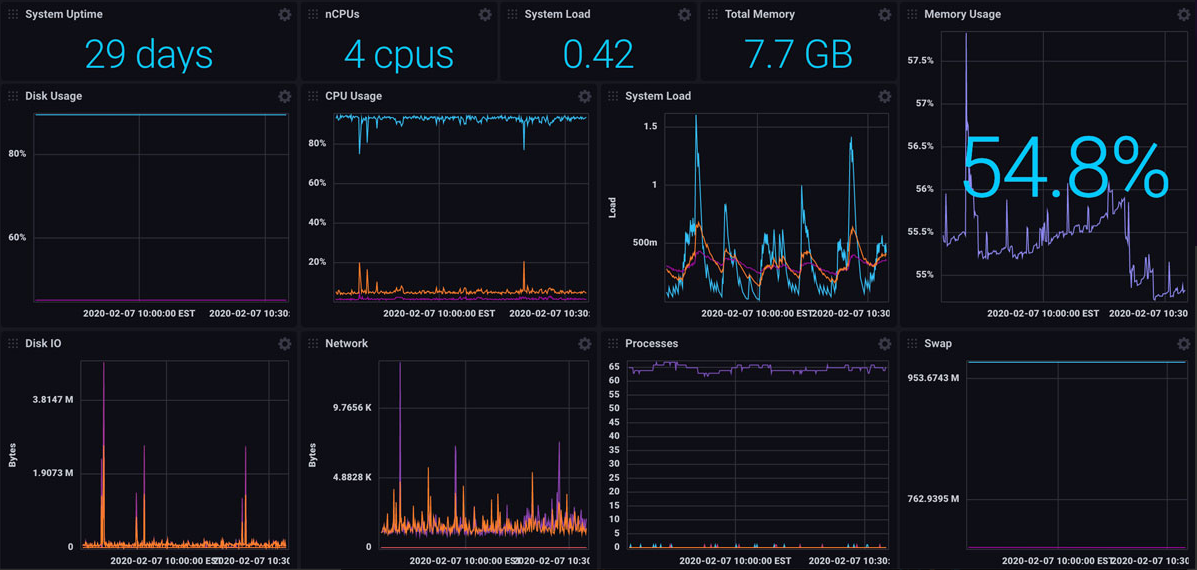
CloudLinux is a Linux-based operating system built specifically for hosting providers. It isolates each hosting account and assigns dedicated resources such as CPU, RAM, and disk I/O.
Unlike standard Linux distributions, CloudLinux prevents a single user from overloading the server. This creates a more stable and predictable hosting environment.
Key Benefits of CloudLinux OS for Web Hosting Providers
1. Improved Server Stability
One of the biggest challenges in shared hosting is resource abuse. On a traditional server, if one website consumes too much CPU or memory, other websites suffer.
CloudLinux solves this using Lightweight Virtualized Environment (LVE) technology. Each account gets isolated resources.
If a user reaches their limit:
- Their website slows down temporarily
- Other users remain unaffected
- The server stays stable
Instead of suspending the entire website or crashing the server, CloudLinux gracefully controls resource usage.
This makes shared and dedicated servers significantly more reliable.
2. Advanced Resource Monitoring & Usage Tracking
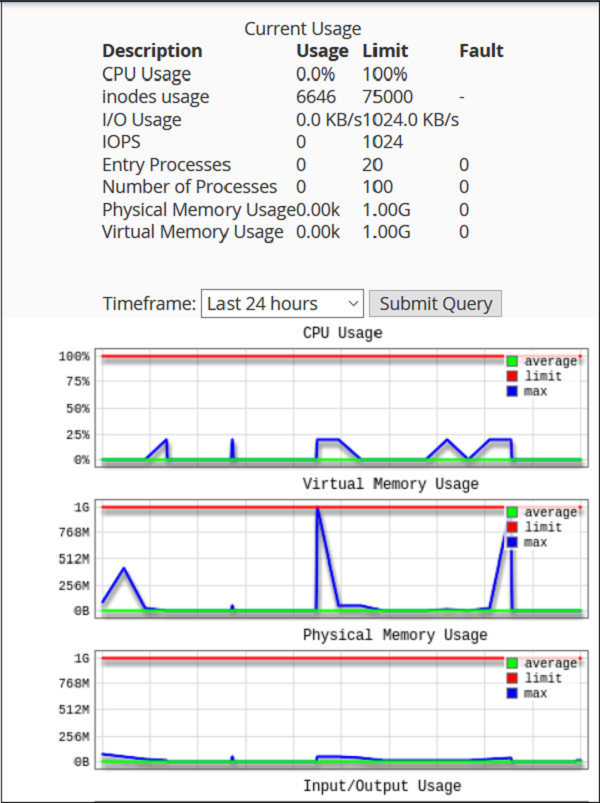
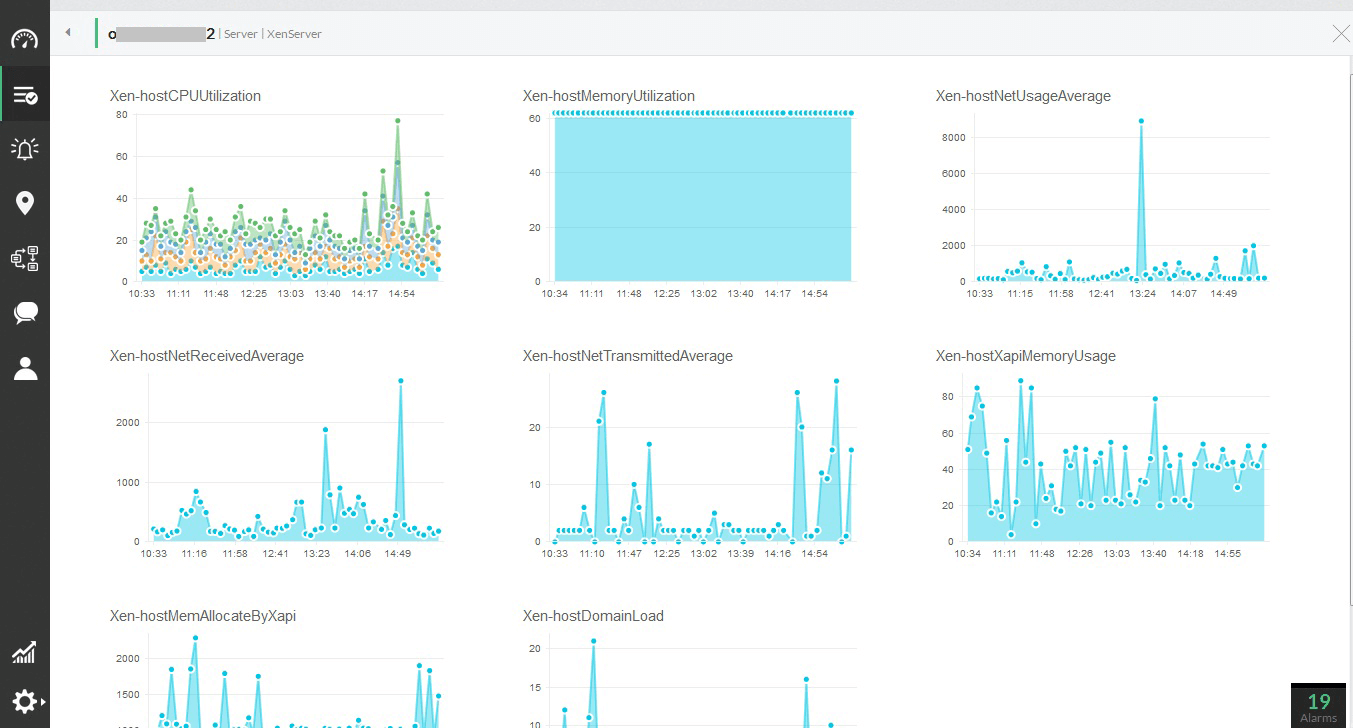
CloudLinux integrates directly with cPanel to provide detailed usage graphs for:
- CPU usage
- Memory consumption
- Disk I/O
- Entry processes
Users can clearly see how much of their allocated resources they are using.
This transparency helps customers:
- Optimize their websites
- Identify performance bottlenecks
- Plan upgrades to VPS or dedicated servers
For hosting providers, this reduces support tickets and improves customer satisfaction.
3. Stronger Server Security with CageFS
Security is a major concern in shared hosting environments.
CloudLinux includes a feature called CageFS. This technology isolates each user in their own virtualized file system. Users cannot access or view other accounts on the server.
CageFS protects against:
- Privilege escalation attacks
- Information disclosure vulnerabilities
- Cross-account hacking attempts
Because each account is sandboxed, even if one website is compromised, others remain protected.
This makes CloudLinux far more secure than traditional CentOS-based shared servers.
4. Higher Efficiency and Better Resource Allocation
For hosting providers, balancing profitability and performance is critical.
Without resource limits, adding more clients to a server increases the risk of overload. Simply upgrading hardware does not always solve the problem because heavy users can still consume excessive resources.
CloudLinux allows hosts to:
- Evenly distribute resources
- Increase server capacity safely
- Maximize hardware utilization
- Prevent downtime caused by high resource usage
This leads to better efficiency and improved profit margins while maintaining high performance standards.
5. Ideal for Shared and Dedicated Hosting Environments
CloudLinux works exceptionally well for:
Hosting companies such as Gotmyhost and many global providers rely on CloudLinux to maintain stability across thousands of accounts.
Because it integrates directly with cPanel, server administrators can manage everything without complex configuration.
CloudLinux vs CentOS: Why CloudLinux Wins for Hosting
| Feature | CentOS | CloudLinux |
|---|---|---|
| User Resource Limits | No | Yes |
| Account Isolation | Limited | Full (CageFS) |
| Resource Monitoring | Basic | Advanced LVE Graphs |
| Server Stability | Moderate | High |
| Security for Shared Hosting | Standard | Enhanced |
| Hosting Optimization | General Purpose | Built for Hosting |
CentOS is a general-purpose operating system. CloudLinux is purpose-built for web hosting environments.
That specialization makes all the difference.
Why CloudLinux Improves SEO & Website Performance
Website uptime and speed directly impact Google ranking.
When servers crash due to resource overload:
- Websites become inaccessible
- Page load times increase
- Bounce rates rise
- Search rankings drop
CloudLinux prevents these issues by isolating accounts and controlling resource spikes. This ensures consistent uptime and better performance, which supports SEO efforts.
Stable hosting equals better user experience, and better user experience supports higher search engine visibility.
Is CloudLinux Worth It?
If you operate shared hosting or manage dedicated servers, CloudLinux provides:
- Increased uptime
- Better server performance
- Stronger account isolation
- Detailed monitoring
- Reduced support issues
- Higher long-term profitability
For hosting providers that prioritize stability, security, and scalability, CloudLinux is one of the most powerful operating systems available today.
Final Thoughts
CloudLinux is not just another Linux distribution. It is a hosting-optimized operating system designed to solve real-world server management problems.
By limiting resource abuse, isolating accounts, improving security, and providing real-time usage insights, it transforms how shared and dedicated servers perform.
If stability, performance, and long-term growth matter to your hosting business, CloudLinux is a smart investment.